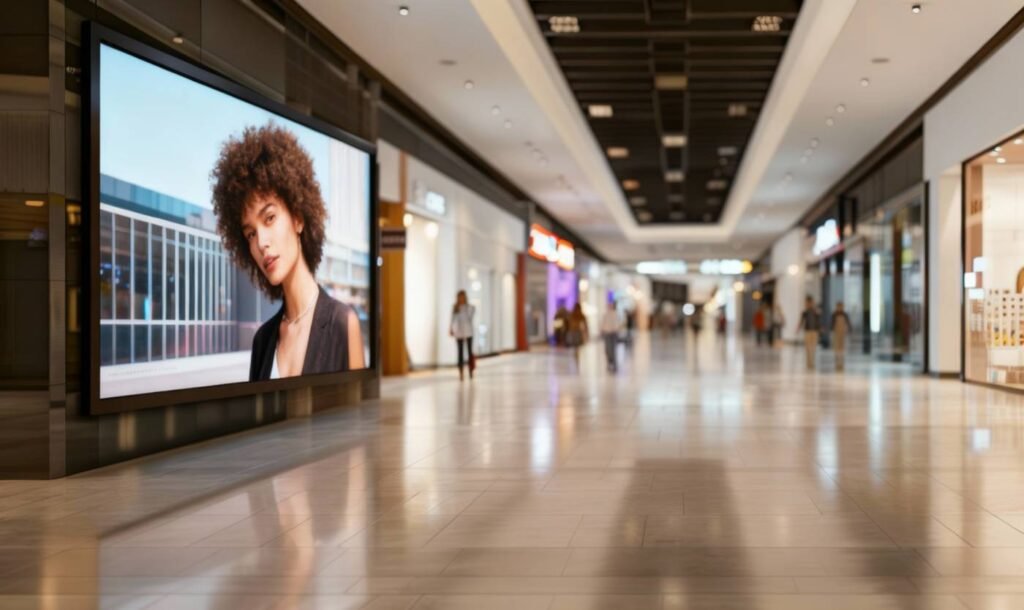
Static posters and dull billboards are rapidly becoming relics of the past. As businesses fight harder for consumer attention, the medium of the message has become just as important as the message itself. Investing in a high-quality indoor led screen is no longer just a luxury for high-end retailers; it is becoming a necessity for any organisation wanting to cut through the noise.
From interactive retail displays to immersive corporate lobbies, LED technology is reshaping how brands communicate. It offers a level of vibrancy and flexibility that traditional print—and even older digital formats like LCD—simply cannot match. This post explores how this technology works, why it is superior to older methods, and the trends that are defining the next generation of indoor advertising.
Understanding Indoor LED Technology
Before looking at the benefits, it is helpful to understand what powers these impressive visuals. Indoor LED (Light Emitting Diode) screens are sophisticated display solutions that utilise a complex array of tiny lights. Unlike a standard television which uses a backlight, an LED screen creates images through a grid-like layout of individual diodes.
Each LED combines red, green, and blue light to produce a full spectrum of colour. When these modules are combined, they create a seamless, high-resolution display that can be scaled to almost any size. Whether it is a small digital sign in a shop window or a massive video wall in a conference centre, the technology relies on pixel pitch (the distance between lights) to determine resolution. A lower pixel pitch results in a sharper image, which is crucial for indoor settings where viewers are often standing closer to the screen.
The Clear Benefits of LED Advertising
Why are businesses moving away from projectors and printed signage? The answer lies in impact and efficiency.
Unmatched Visibility and Brightness
One of the primary advantages of LED screens is their ability to captivate an audience. The brightness and colour vibrancy are significantly higher than that of projectors, which often require a darkened room to be seen clearly. LED displays cut through ambient light, ensuring your content is visible even in well-lit shopping centres or sunny atriums.
Cost-Effectiveness and Durability
While the initial investment might be higher than a printed banner, the long-term ROI is substantial. High-quality indoor LED screens are built to last, with lifespans often exceeding 100,000 hours—that is over 11 years of continuous use. Furthermore, they remove the recurring cost of printing and distributing physical marketing materials. When you want to change your campaign, you simply upload a new file.
Energy Efficiency
Modern businesses are increasingly conscious of their carbon footprint. LED technology is far more energy-efficient than traditional incandescent or plasma options. They consume less power while delivering a brighter image, making them an eco-friendly choice for continuous advertising.
Types of Indoor LED Displays
Versatility is a hallmark of LED technology. There is no “one size fits all” approach; instead, there are various configurations designed to meet specific architectural and branding needs.
Standard Video Walls
These are the most common form of indoor LED advertising. Comprising multiple cabinets locked together, they form a large, flat surface ideal for broadcasting high-definition video content. They are frequently found in exhibition halls and conference rooms where clear communication is paramount.
Flexible and Curved Modules
Creativity shouldn’t be limited to flat surfaces. Flexible LED modules allow for the creation of curved, angled, or even cylindrical displays. These are particularly effective in showrooms or artistic installations where the goal is to create a modern, avant-garde atmosphere. By wrapping images around columns or corners, brands can create an immersive environment that feels futuristic.
Interactive Displays
The future of advertising is two-way communication. Modern LED screens can be equipped with touch technology, motion sensors, and gesture control. This transforms a passive viewing experience into an active one. For example, a screen could detect a customer approaching and trigger specific content, or allow a user to navigate a product catalogue using hand movements.
Applications in the Real World
The utility of LED screens extends far beyond simple advertisements. Here is how different sectors are leveraging the technology:
Retail and Showrooms
In the competitive retail space, catching the eye is half the battle. Showrooms use fine pixel pitch displays to showcase product details in stunning clarity. A car dealership, for example, can allow customers to configure a vehicle on a tablet and see it appear life-sized on a video wall in 4K resolution.
Events and Conferences
Event management companies rely on LED screens to ensure audiences stay engaged. Whether it is a concert, a festival, or a corporate keynote, high-resolution screens ensure that attendees in the back row have the same experience as those in the front. The ability to switch instantly between live camera feeds, presentations, and pre-recorded video makes them indispensable for live events.
Art Galleries and Museums
Museums are moving away from static placards. LED screens allow curators to present artwork and historical information in dynamic ways. High-resolution displays can reveal textures and details in digital art that projectors would wash out, providing a gallery experience that honours the artist’s intent.
Trends Shaping the Future
As we look ahead, the convergence of digital and physical spaces will continue to accelerate. Here are the key trends to watch:
Hyper-Personalisation
With the integration of AI and cameras (subject to privacy regulations), screens will become smarter. Imagine a display that changes its content based on the demographics of the person looking at it, or a screen that reacts to the weather outside. This level of targeting increases the relevance of the ad and improves conversion rates.
Seamless Integration
The “black box” effect—where a screen looks like a dark void when turned off—is disappearing. Transparent LED screens and displays that blend into architectural elements are becoming more popular. The goal is for the technology to disappear, leaving only the message.
Improved Interactivity
As mentioned earlier, gesture control and motion sensors are on the rise. We are moving towards a “Minority Report” style of interface where users can manipulate content on large walls without touching a screen. This is particularly relevant in a post-pandemic world where touchless interfaces are preferred for hygiene reasons.
Embracing the Light
The shift towards indoor LED advertising represents a fundamental change in how businesses connect with people. It is about moving from static, one-way broadcasting to dynamic, engaging storytelling.
For businesses, the question is no longer whether to adopt digital signage, but how to implement it most effectively. With benefits ranging from energy efficiency to unparalleled brightness and the ability to customise content in real-time, LED technology offers a powerful tool for enhanced advertising impact. Whether creating a curved masterpiece for a lobby or a high-definition video wall for a conference, the only limitation is imagination.